

Elise got engaged on Thanksgiving weekend, started a spreadsheet on her laptop with a color code, and dropped it after two weeks. I am her mother, so I did what I do. I bought a binder. Specifically I bought The Knot wedding planner and organizer, the revised and updated edition, the week after the engagement, and I set it on the kitchen table where I would have to look at it.
We had about six and a half months. Saturday, June 13, at a small inn outside Santa Fe, New Mexico. Seventy-two guests, nine round tables of eight, no paid planner, and a budget that was real and did not have room in it for a planner. Paul, my husband, was enthusiastic and no help whatsoever with paperwork. Elise was finishing a work project straight through the winter. So the paperwork became mine, and I was fine with that.
What I did not want was an app. Elise tried a free planning app for a couple of weeks and stopped opening it. I did not want to hand my guest list to something that can run out of battery. I wanted something I could carry into a room and open on a table in front of a caterer who was asking me a question I did not know the answer to.
The book itself is 144 pages, hardcover sized, 10.42 inches by 11.84 inches and 1.8 inches thick, and it weighs 2.75 pounds. That weight is the number that matters when the thing is in your shoulder bag between two gates at an airport. It is not a book you read once. It is a book you fill in. There are sections that walk through the parts of a wedding people genuinely forget, and there are pages for you to write down what you actually decided rather than what a magazine suggested.
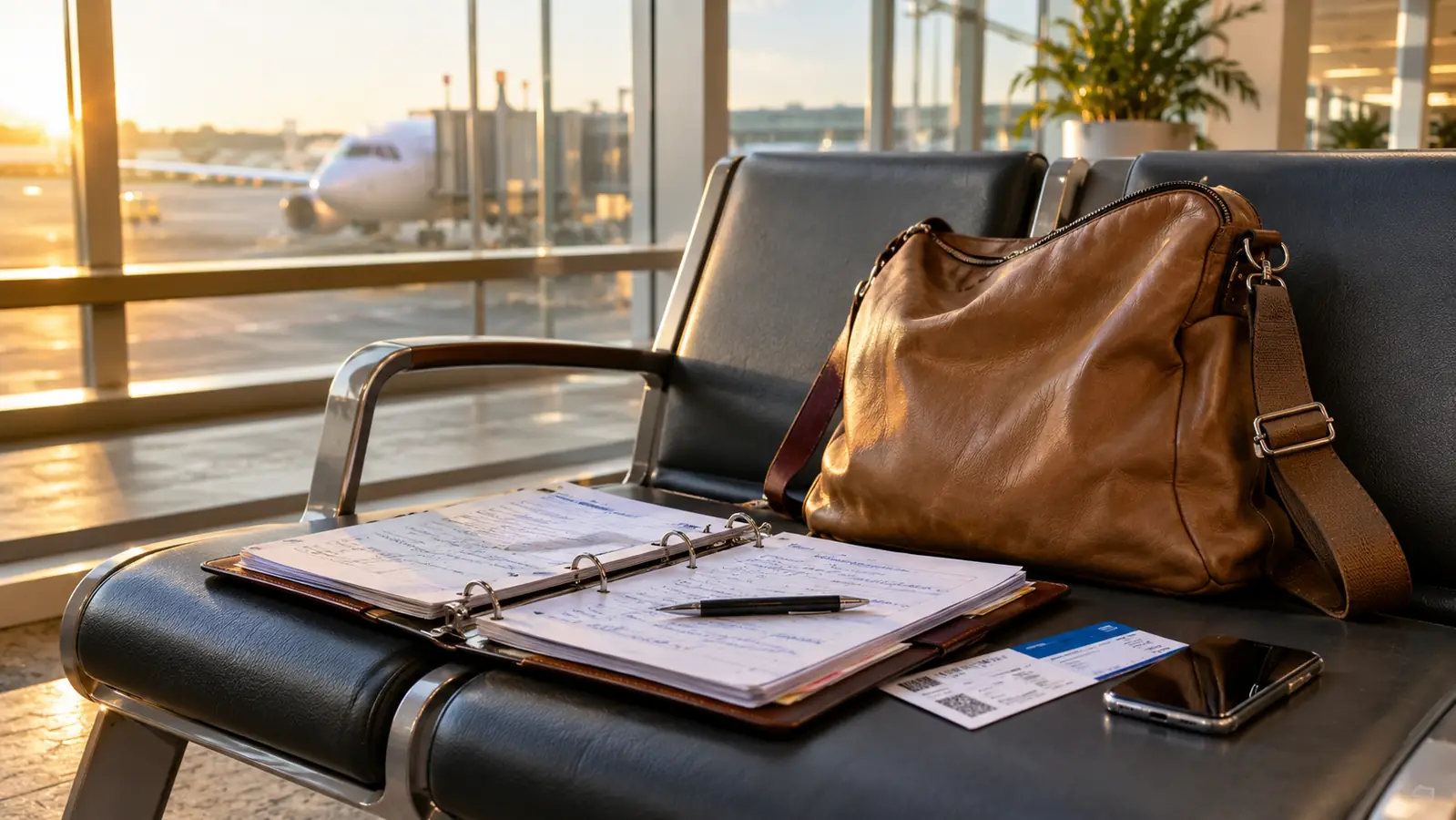
It lived on the kitchen table in Savannah from December to June. In June it flew with me in my carry-on, Savannah to Albuquerque with one connection in Dallas, and I read through the vendor phone numbers one more time sitting at the gate.
Seventy-two guests, nine tables of eight, and one binder that went everywhere with me, from a kitchen table in Savannah to a gate in Dallas.
If your guest list currently lives in three places, put it in one
This is the book I carried for six and a half months. Hardcover, 144 pages, 2.75 pounds, and it still fits in a carry-on.
Amazon Check Today's Price on Amazon →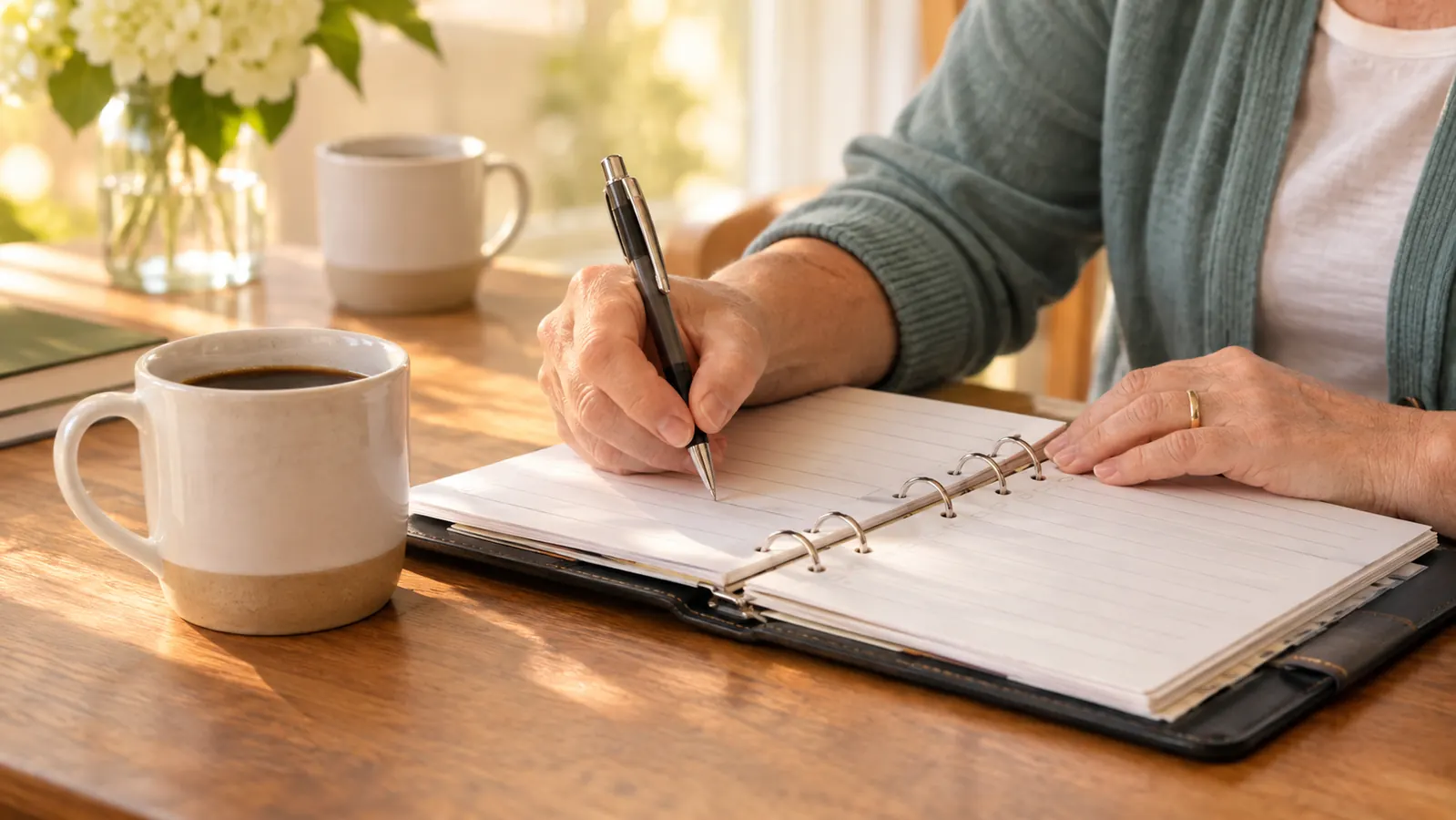
What the Binder Actually Did
It did not plan the wedding. I want to be clear about that, because the cover makes it look like a promise. What it did was keep the decisions in one place. When the caterer asked how many children were coming, I had it. When the inn asked what time we wanted the tables cleared, I had it, because I had written it down in the same book three months earlier and had not moved it since. The Knot binder is a filing cabinet with better manners.
The only real disagreement of the whole engagement came in April, over which table Paul's two brothers sat at. That is not a small thing in a family. Nine tables of eight means every seat is a statement, and I moved those two names more times than I like to admit over one Sunday afternoon. The seating pages took pencil and eraser and a second cup of coffee, and I am glad they were paper.
The guest list was the other place the book earned its keep. Seventy-two names, and I wrote every one of them twice, once in the binder in January and once on a place card in May, over two evenings at that same kitchen table with a black fine-point pen. Having the list settled in one place in January is why the cards took two evenings instead of two weeks.
Tess's hem came down about forty minutes before the ceremony. I will say only this about it: the day-of bag had what we needed in it because I had written the day-of list in the binder in May instead of the night before. That is the whole argument for paper. You cannot half-remember a list you wrote down weeks ago and re-read every few days.
At the inn I kept the binder on the desk in the room and carried it down to the lobby twice. It came home in the same carry-on on Monday, June 15, heavier than it left, because by then it was full of notes.
What I'd Tell You If We Were Sitting at My Kitchen Table
I would tell you it is a book, not a planner, and that is the honest limitation. It does not make the decisions. It will not tell you that a certain aunt cannot sit next to a certain uncle, and it will not chase a vendor who has not emailed you back. What it does is hold the answer once you have it, in one place, in your handwriting, in a book you can put in front of another human being. If you are the person who ends up doing the coordinating, and in most families that is one person, that is worth more than it sounds.
I would also tell you who it is not for. If you are paying a full-time planner, your planner already has a system and you should not be running a second one. If you genuinely work well from a shared digital document with your fiancé and your mother both typing in it at once, then stay there, and be honest with yourself about whether you actually work well that way. I know what happened to our spreadsheet.
And I would tell you to start it in the first month, not the fourth. We bought the Knot binder the week after Thanksgiving because I am impatient, and by the time the venue questions got complicated in February, the book already had months of my handwriting in it. That is what made it useful. A binder started in April is just a new notebook.
The book that answered the caterer's question in April
The Knot wedding planner and organizer, 144 pages, 2.75 pounds, and it still fits in a carry-on. Start it in month one and it will pay you back by month five.
Amazon Check Today's Price on Amazon →